Ederlezi
KAKAVA FESTIVAL — EDİRNE, TURKEY — 2009
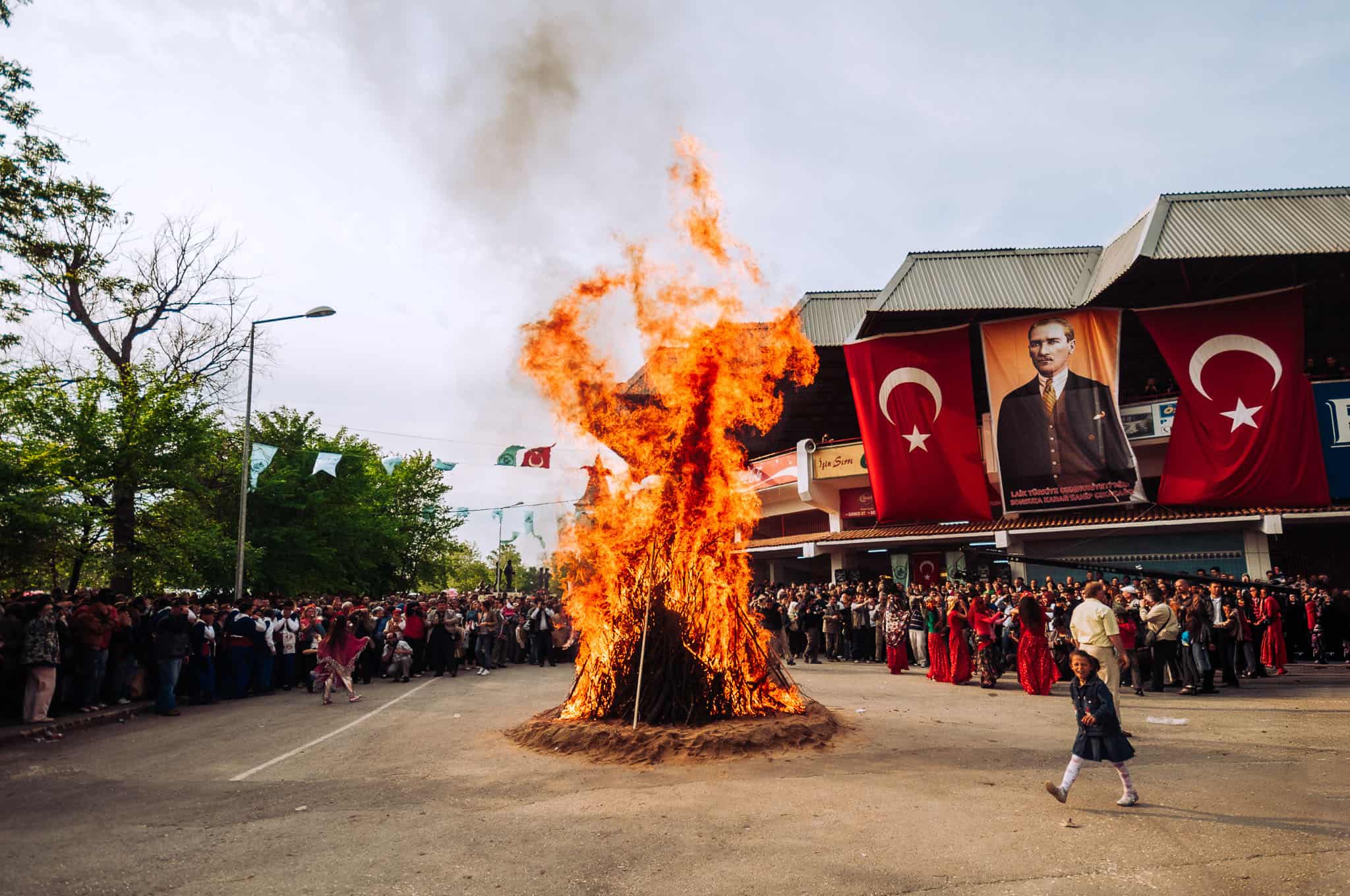
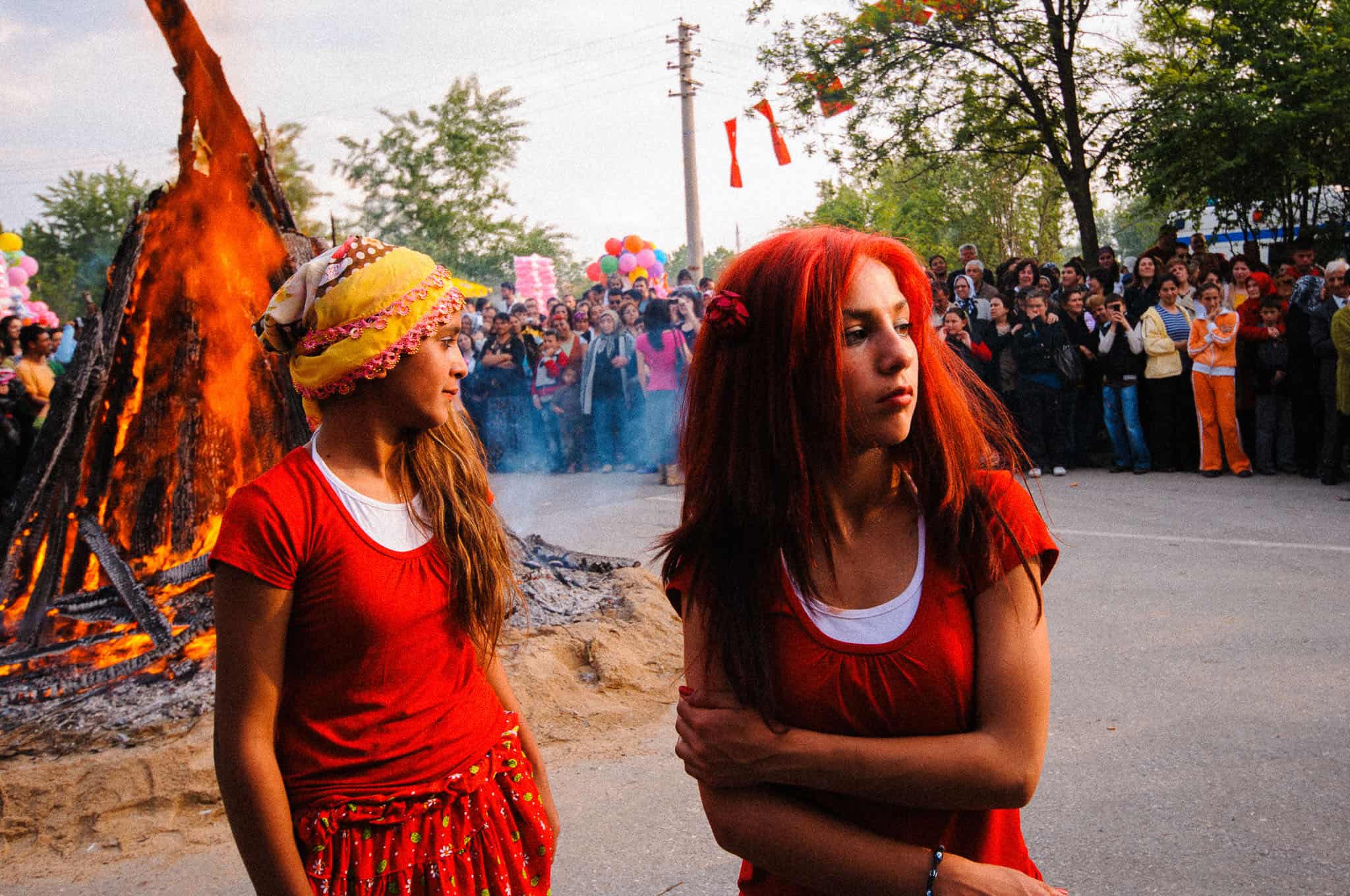
Every year on the night of May 5, the Romani communities of Edirne light a bonfire the size of a building in Sarayiçi — the former Ottoman royal hunting grounds along the Tunca River. They call it Kakava, after the Romani word for cauldron. The rest of Turkey knows it as Hıdırellez. The Balkans call it Ederlezi — the same name Goran Bregović made famous in Kusturica’s Time of the Gypsies.
The celebration marks the arrival of spring and carries a lineage older than any of the religions that have claimed it. Hızır and İlyas — two prophetic figures from Islamic mysticism — are said to meet on earth this one night a year. In Christian tradition, the same date honors St. George. For the Roma, the roots reach further still: to Egypt, to the Copts, to a story of deliverance from a Pharaoh that predates recorded scripture. UNESCO inscribed Hıdırellez on its Intangible Cultural Heritage list in 2017.
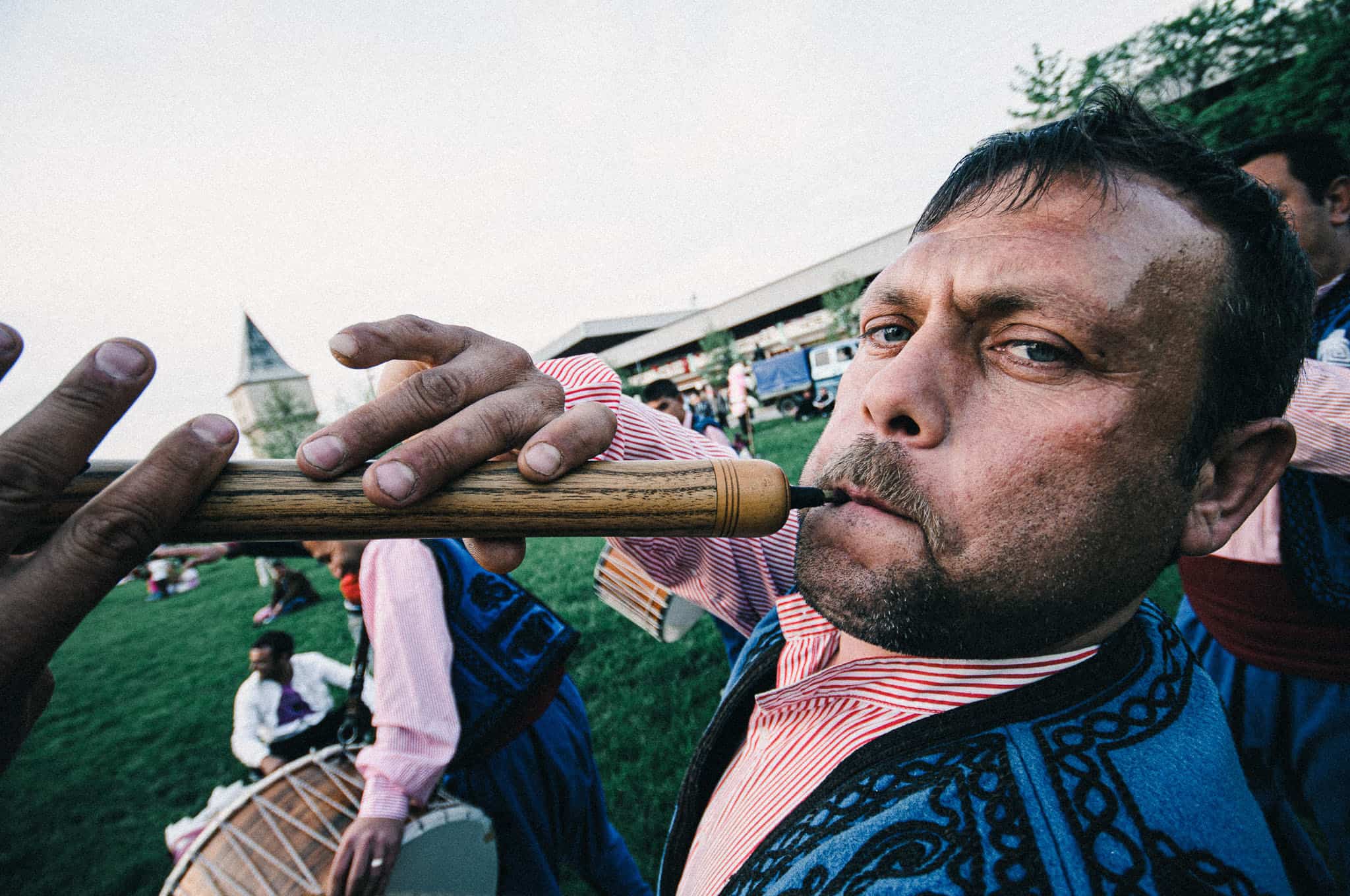
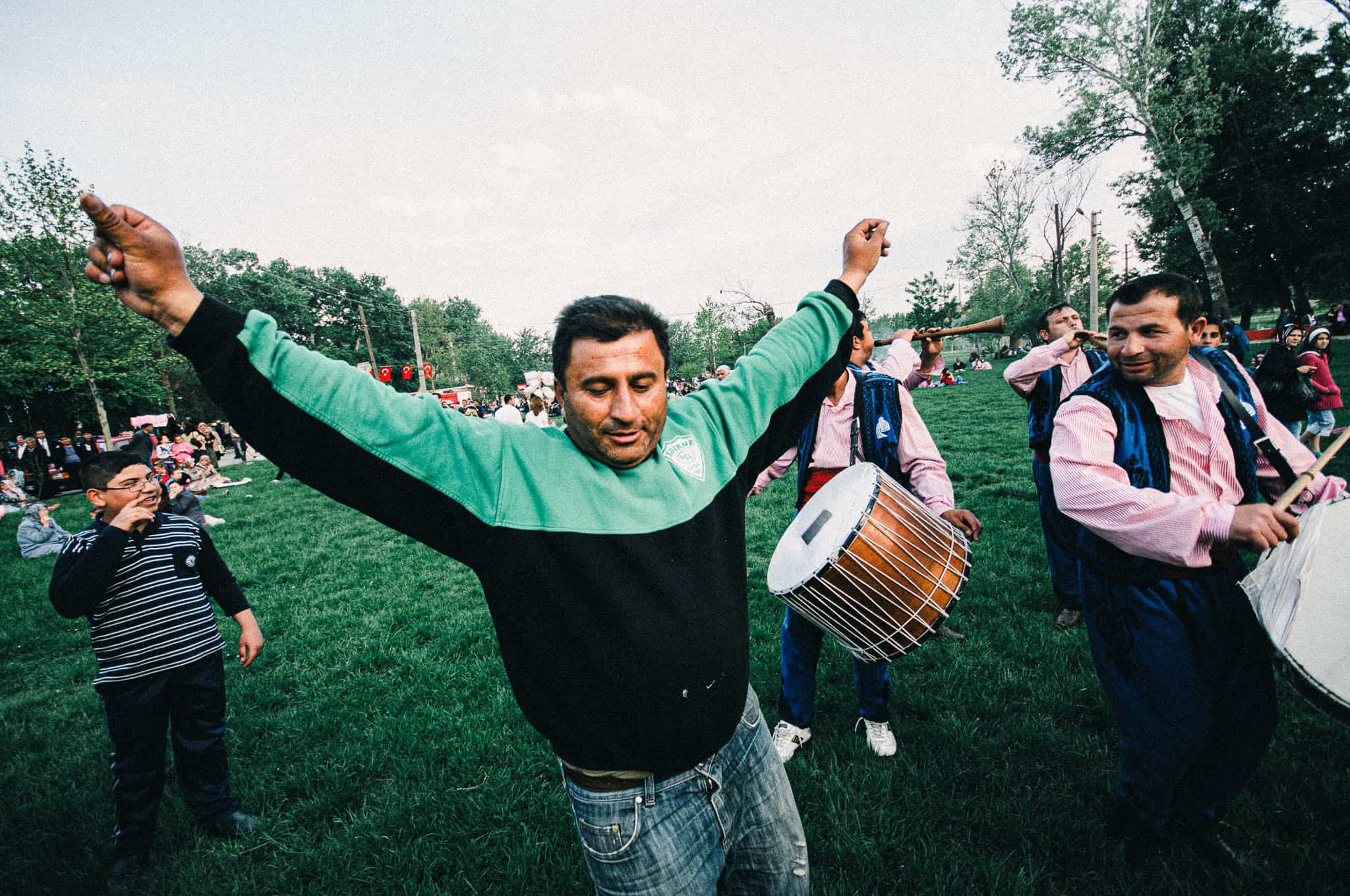
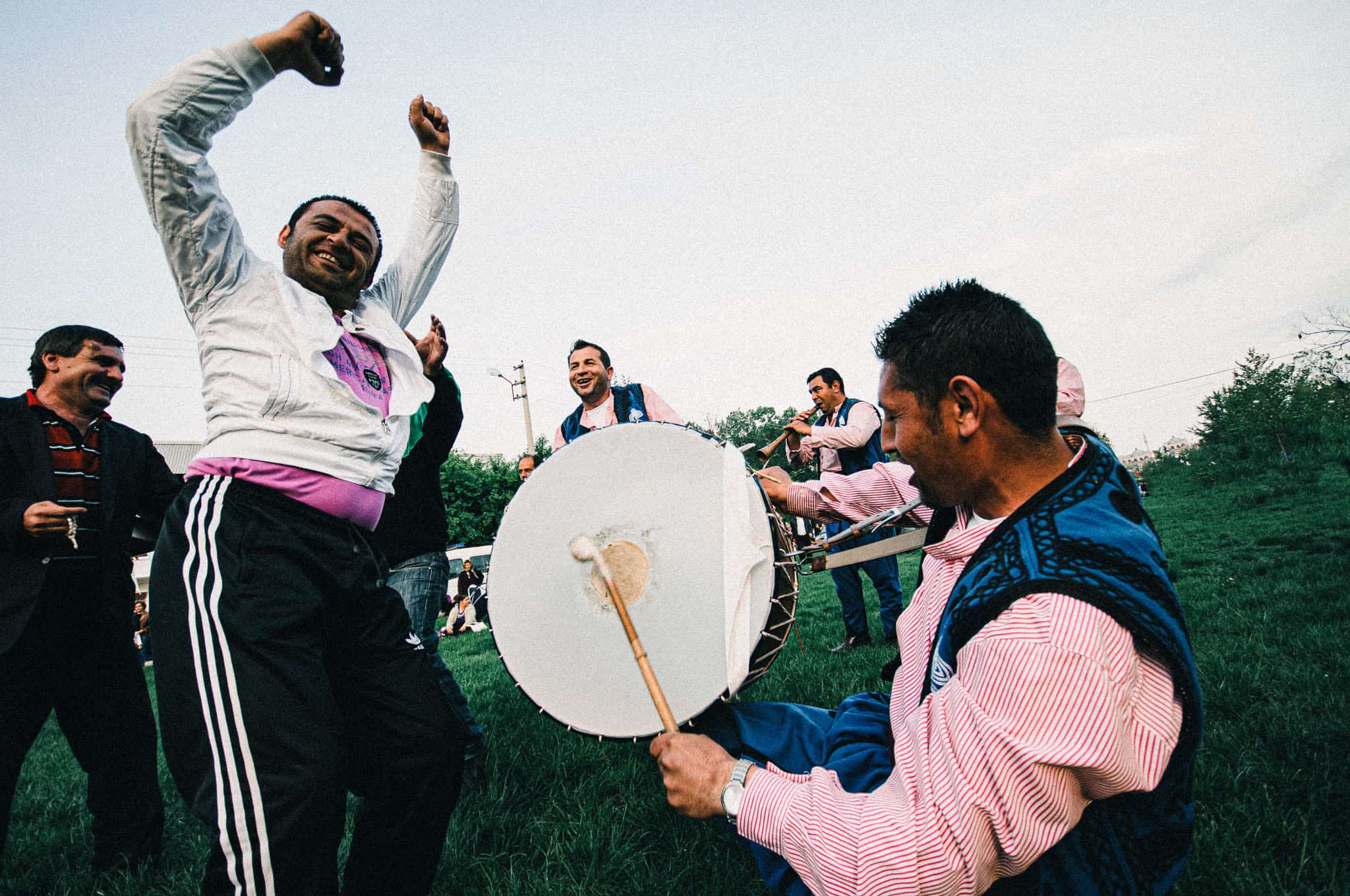
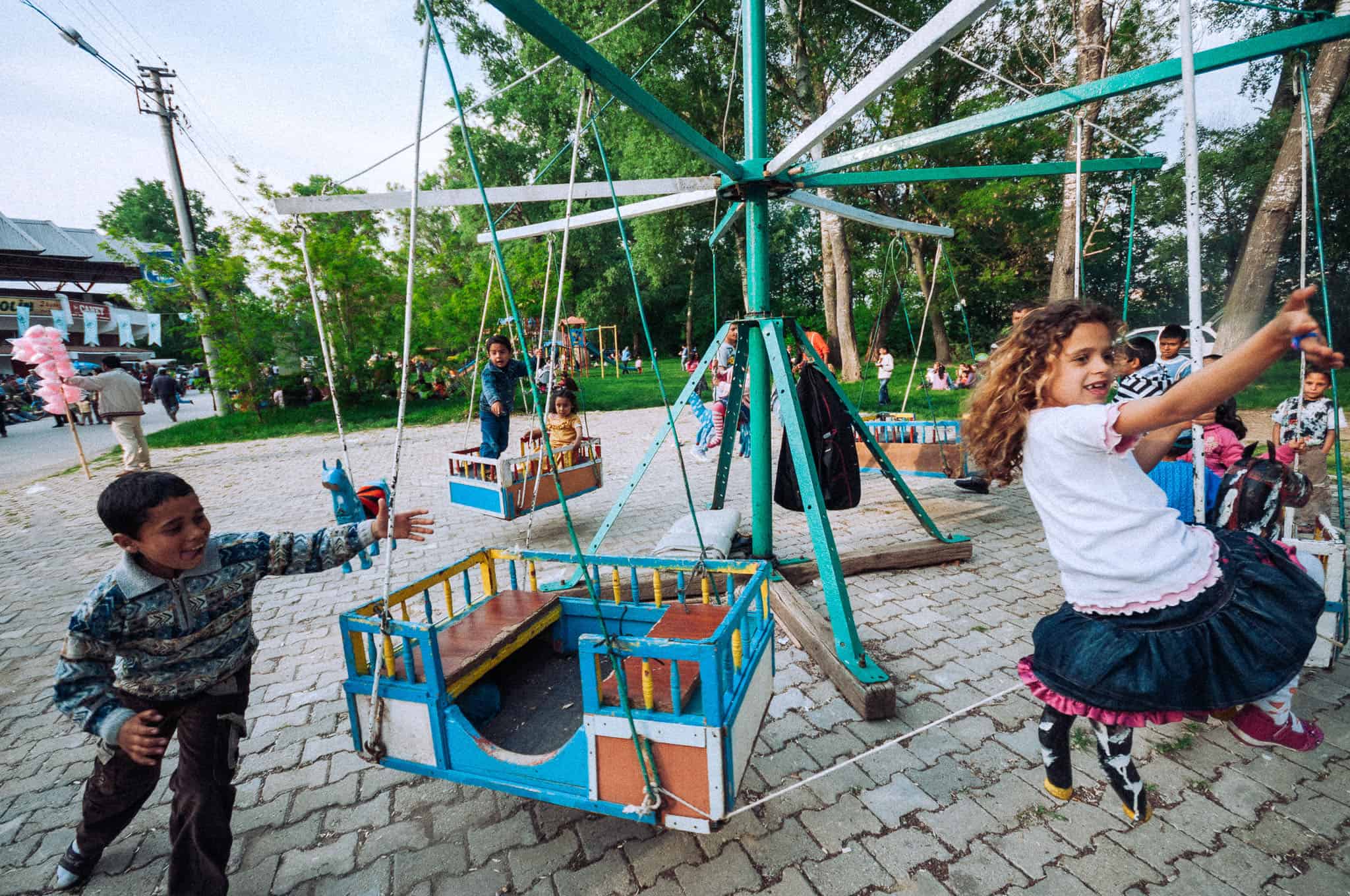
In Edirne, the festival begins with a procession led by the Çeribaşı — the elected head of the local Romani community — and ends sometime after dawn, when the crowd walks to the Tunca to wash their faces and float candles downstream. Between those hours: people jump the fire three times for health and absolution, davul and zurna players roam the grass, and the 9/8 rhythm that defines Roman music pulls strangers into the circle whether they planned to dance or not.
Getting into the middle of it is harder than it looks. The celebrations are public, but the community is tight. The camera is noticed, the outsider is measured. I didn’t walk through taking photographs. I sat down, drank wine, talked, danced. The pictures came later, while no one was paying attention to me anymore.